
Exploring Sustainable Housing Innovations Through 3D Printing Research Collaborations in 2024


Sustainable housing remains a critical challenge as urban populations grow and environmental concerns rise. In 2024, a unique collaboration between the Dialogue With Scientists Society (DSS), the University of British Columbia (UBC) lab, and other institutions brought fresh insights into this field. This partnership focused on using 3D printing technology to build sustainable homes, combining scientific research with practical applications. The project, led by students who authored the research paper Constructing Sustainable Housing Using 3D Printing Technology (Wang, Chen, Du, & Huang, 2024), offers promising directions for affordable, eco-friendly housing solutions.
The Role of 3D Printing in Sustainable Housing
3D printing, also known as additive manufacturing, allows for precise construction by layering materials based on digital designs. This technology reduces waste, lowers labor costs, and speeds up building processes. In sustainable housing, these benefits translate into:
Material efficiency: Using only the necessary amount of concrete or composite materials reduces excess and environmental impact.
Design flexibility: Complex shapes and insulation features can be integrated directly into the structure.
Reduced carbon footprint: Localized production minimizes transportation emissions.
The DSS-UBC collaboration explored these advantages by developing prototypes and testing materials that balance durability with sustainability. Their research showed that 3D printing could produce walls with integrated insulation and ventilation channels, improving energy efficiency.
Collaborative Research Approach
The project brought together students, researchers, and engineers from multiple institutions. This interdisciplinary team combined expertise in materials science, architecture, and environmental studies. The students played a key role in conducting experiments, analyzing data, and drafting the research paper.
Key aspects of the collaboration included:
Shared resources: Access to UBC’s advanced 3D printing labs and testing facilities.
Field testing: Constructing small-scale housing units to evaluate real-world performance.
Community engagement: Consulting with local stakeholders to align designs with regional needs.
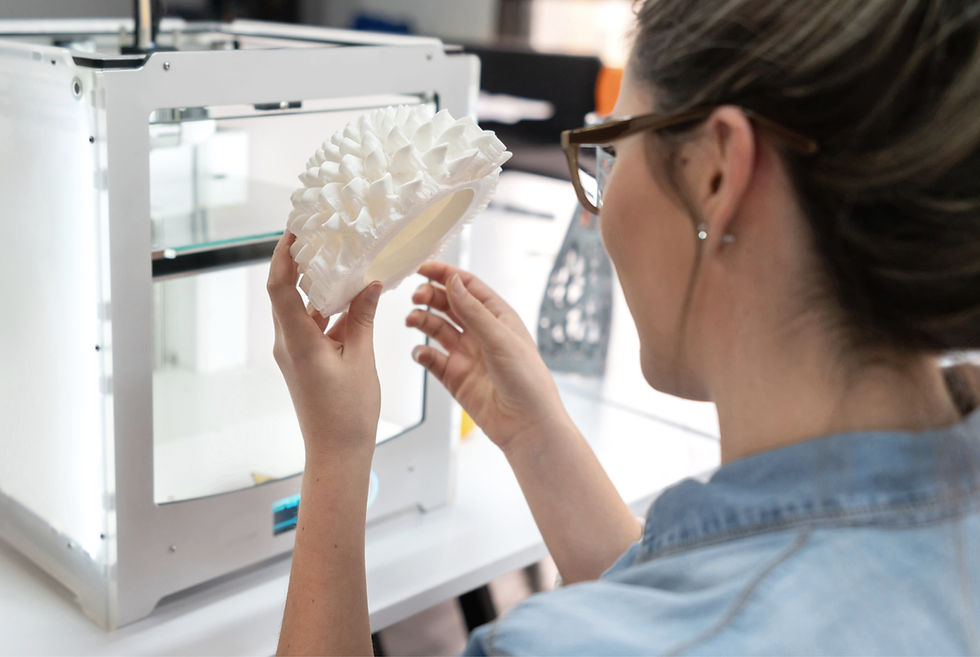
This approach ensured the research remained grounded in practical challenges while pushing technological boundaries.
Practical Examples from the Research
The research paper by Wang and colleagues highlights several practical examples demonstrating the potential of 3D printing in sustainable housing:
Use of recycled materials: Incorporating recycled plastics and industrial byproducts into printing materials reduced environmental impact without compromising strength.
Rapid construction: A prototype wall section was printed in under 24 hours, showing potential for faster housing development in emergency or low-income settings.
Energy-saving designs: Walls with built-in air channels improved natural ventilation, reducing the need for mechanical cooling.
These examples illustrate how 3D printing can address both environmental and social aspects of housing.
Challenges and Future Directions
While the project showed promising results, it also identified challenges that need addressing:
Material limitations: Some sustainable materials require further development to meet building codes and durability standards.
Scale-up issues: Moving from prototypes to full-sized homes involves logistical and technical hurdles.
Cost considerations: Although 3D printing reduces labor, initial equipment and material costs remain high.
The team recommends ongoing research to refine materials and printing techniques. They also suggest partnerships with industry to pilot full-scale projects and develop affordable solutions for wider adoption.
Moving Forward with Sustainable Housing

The 2024 DSS-UBC research collaboration demonstrates that 3D printing technology holds significant promise for sustainable housing. By combining scientific research with hands-on experimentation, the project offers a roadmap for future developments in eco-friendly construction.
For communities, policymakers, and builders interested in sustainable housing, this research highlights the importance of:
Investing in new construction technologies
Supporting interdisciplinary collaborations
Prioritizing materials that reduce environmental impact
Testing designs that improve energy efficiency and occupant comfort
As 3D printing technology advances and becomes more accessible, it could transform how we build homes that are both affordable and kind to the planet. The work of Wang, Chen, Du, and Huang provides a strong foundation for this transformation and invites further exploration.


Comments